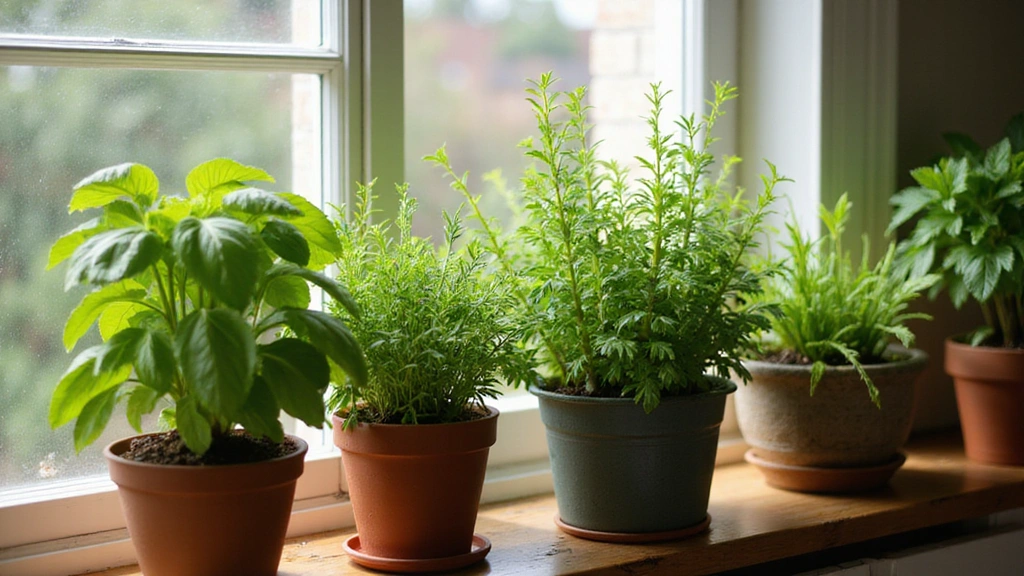
Transform your cooking space into an aromatic haven with the right herb garden tips. Imagine the scent of fresh basil, thyme, and mint wafting through your kitchen, elevating your culinary creations and daily meals. With these vibrant, fragrant herbs, you can add a burst of flavor to dishes while enjoying the process of nurturing your own plants. Whether you’re a seasoned gardener or a novice, these tips can guide you in creating a lush indoor garden that doesn’t just look good but also smells divine. Let’s explore how you can turn your herb gardening journey into an aromatic adventure!
Contents
- 1. Choose the Right Herbs for Your Space
- 2. Container Considerations
- 3. Water Wisely
- 4. Prune Regularly
- 5. Provide Proper Lighting
- 6. Fertilize with Care
- 7. Enjoy the Harvest
1. Choose the Right Herbs for Your Space

Starting your herb garden the right way means selecting herbs that will thrive in your specific environment. Consider herbs like basil, mint, and parsley, which are known for their aromatic qualities and can flourish indoors. For a sunny windowsill, opt for sun-loving herbs such as rosemary and thyme. Remember, different herbs have different light and water needs.
– Herb Selection: Look for herbs that align with your cooking style. If you enjoy Mediterranean dishes, consider oregano or sage.
– Surroundings Matter: Pay attention to where you plan to place your herbs. Bright, indirect sunlight is ideal for many types of herbs.
– Buy Young Plants or Seeds: While seeds take longer to grow, they often yield more robust plants in the long run.
With a little planning, you’ll choose the perfect herbs to create a fragrant indoor garden that enhances your cooking.
Selecting the right herbs for your space is the secret to a thriving herb garden. Choose aromatic favorites like basil and mint for indoors, and let sunny rosemary and thyme shine on your windowsill!
Product Recommendations:
2. Container Considerations

When it comes to growing herbs, the container you choose can impact their growth and aroma. Always opt for pots with drainage holes to allow excess water to escape, preventing root rot. Consider the size; herbs like basil and mint can outgrow small pots quickly, so choose larger containers to keep them healthy.
– Materials Matter: Terracotta pots are great for herbs because they are porous and allow air and moisture to circulate.
– Group Plants by Needs: Place herbs with similar water and light requirements in the same container to simplify care.
– Decorative Touch: Use colorful containers to add a pop of cheer to your kitchen while you grow.
Choosing the right container can promote healthy, thriving herbs that will fill your kitchen with delightful scents.
Choose the right container for your herbs—drainage holes are a must! Remember, happy roots lead to aromatic flavors. 🌿
Product Recommendations:
• Terracotta pots with drainage holes
3. Water Wisely

One of the most crucial herb garden tips revolves around proper watering. Overwatering is the number one killer of herbs, leading to a lack of oxygen in the soil and root rot. On the flip side, under-watering can leave your plants wilted and sad. Test the soil with your finger; if the top inch feels dry, it’s time to water.
– Watering Schedule: During the hot months, herbs may need daily watering, while in cooler weather, they may only need it once or twice a week.
– Use Room Temperature Water: Cold water can shock the plants. Warm water helps them absorb moisture better.
– Collect Rainwater: If possible, collect rainwater in a container. It’s natural and often better for your herbs.
By mastering the art of watering, you’ll be on your way to enjoying an aromatic herb garden that thrives all year round.
Watering your herbs is an art! Stick your finger in the soil — if it feels dry, it’s time to quench their thirst. Remember, too much love can drown them, so water wisely for a thriving herb garden!
Product Recommendations:
• Organic Herb Seeds Variety Pack
4. Prune Regularly

Pruning is an essential part of keeping your herbs healthy and aromatic. Regularly trimming your plants encourages bushier growth and prevents them from becoming leggy. Use clean scissors to snip off the top couple of inches of herb stems.
– When to Prune: Start pruning when your herbs begin to grow tall, typically in late spring.
– Harvesting Tips: Use the leaves you prune in your cooking; fresh herbs add a delightful touch to every meal.
– Seasonal Considerations: In winter, reduce pruning to allow plants to conserve energy.
Proper pruning not only keeps your plants healthy but also ensures you have an abundance of fresh herbs for all your culinary creations.
Product Recommendations:
5. Provide Proper Lighting

Lighting plays a critical role in the health of your indoor herb garden. Most herbs prefer 6-8 hours of sunlight each day. If your kitchen lights aren’t cutting it, consider adding grow lights, which can provide the necessary brightness to keep your herbs happy.
– Natural Light: Place your herb pots on windowsills that get ample sunlight, ideally facing south or west.
– Rotating Plants: Rotate your pots every few days to ensure all sides receive equal light.
– Supplementing With Grow Lights: If natural light is limited, investing in LED grow lights can help your herbs thrive.
Ensuring your herbs receive enough light is key to having a fragrant and vibrant indoor garden.
Product Recommendations:
6. Fertilize with Care

While herbs don’t require a lot of fertilizer, providing them with nutrients can boost the aroma and flavor of your plants. Use a balanced, organic fertilizer once a month during the growing season. Liquid fertilizer can be easily mixed with water for application.
– Choosing Fertilizer: Look for organic options, as they’re gentle on the plants and the environment.
– Signs of Nutrient Deficiency: If leaves turn yellow, your herbs may need a boost in nutrients.
– Dilution is Key: Always dilute the fertilizer to prevent root burn.
With the right approach to fertilizing, you can enhance your herbs’ natural aromas and flavors, making your kitchen smell divine.
Product Recommendations:
• All-purpose organic fertilizer granules
7. Enjoy the Harvest

Harvesting your herbs is not just rewarding; it’s the ultimate way to enjoy the fruits of your labor. Regularly snip away what you need, allowing the plants to continue growing lush and aromatic. Fresh herbs elevate any dish, so don’t hesitate to experiment with them in your cooking!
– Best Time to Harvest: Morning is ideal, as plants are full of moisture and oils.
– Use Freshly Cut Herbs: Add them to salads, pasta, and sauces for a flavor boost.
– Store Properly: Place freshly harvested herbs in a jar with water or wrap them in a damp paper towel to keep them fresh longer.
Harvesting is the best part of your herb gardening journey, bringing delightful aromas into your kitchen while enriching your meals with fresh flavors.
Harvesting your herbs is like adding a dash of joy to your cooking! Snip away in the morning for the freshest flavors and elevate every dish you create.
Product Recommendations:
Conclusion

Creating an indoor herb garden is not just a trend; it’s a wonderful way to infuse your cooking with fresh flavors and delightful aromas. By following these tips, you can cultivate a thriving garden that transforms your kitchen into a fragrant haven. So grab your pots and plants, and start making every meal a fragrant experience!
Frequently Asked Questions
What are the best herbs to start with for an indoor herb garden?
Starting an indoor herb garden? You can’t go wrong with basil, mint, and parsley! These aromatic herbs are not only easy to grow but also add delightful scents to your kitchen. Plus, they’re versatile in the kitchen, enhancing everything from salads to sauces. So, grab some pots and get ready to enjoy those heavenly aromas!
How often should I water my indoor herbs?
Ah, the watering dilemma! It’s crucial to strike the right balance. Most indoor herbs prefer to dry out a bit between waterings. A good rule of thumb is to check the soil – if the top inch feels dry, it’s time to water. Remember, overwatering is the enemy! Your herbs will thrive when you give them just the right amount of moisture.
What kind of lighting do my indoor herbs need?
Light is essential for happy herbs! Most aromatic herbs thrive on 6-8 hours of sunlight each day. If your kitchen doesn’t get enough natural light, don’t fret! Consider investing in grow lights to keep your greens flourishing. Your herbs will appreciate the extra attention, and you’ll be rewarded with that fresh, inviting scent in your kitchen!
How can I encourage my herbs to grow bushier?
Want your herbs to be the bushy, aromatic beauties of the garden? Regular pruning is the key! Snip off the tips of your plants to encourage side shoots and prevent legginess. This not only helps them grow thicker but also enhances the aroma. Plus, you get to enjoy fresh herbs while keeping your garden looking lush. Win-win!
When is the best time to harvest my herbs?
Harvesting herbs is one of the most rewarding parts of gardening! You can start snipping your herbs once they are established and have enough leaves to spare. Regularly cutting what you need encourages further growth. Just remember to harvest in the morning for the best flavor and aroma. Your culinary creations will thank you!



Leave a Reply