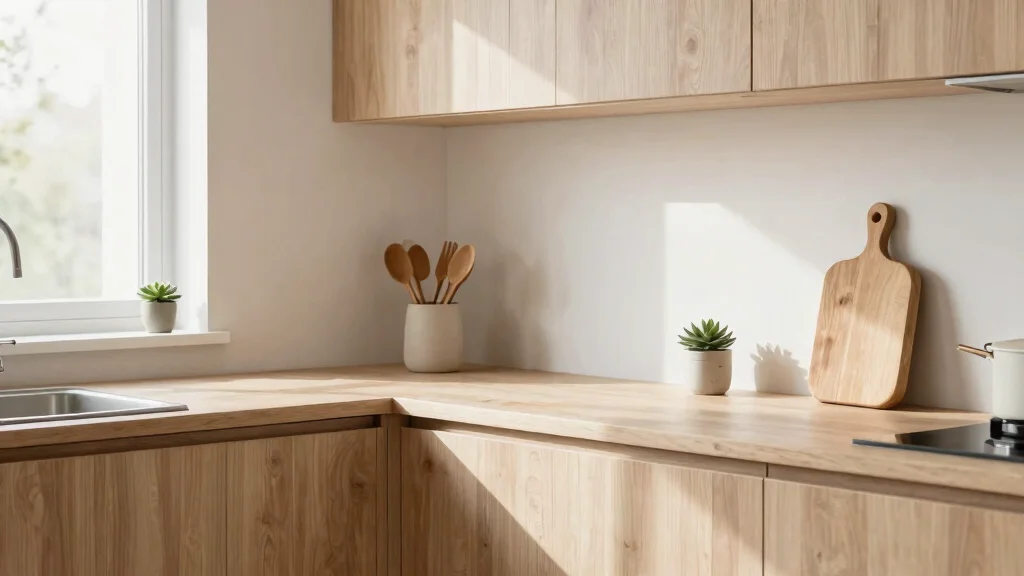
Japandi kitchen ideas work especially well in small and awkward kitchens, where every choice has to earn its place. The style blends Japanese minimalism with Scandinavian function, so a compact kitchen ends up feeling open and uncluttered instead of cramped. Below are twelve practical Japandi kitchen ideas you can actually use, whether you are doing a full remodel or just refreshing what you have, with warm wood, simple layouts, and low-maintenance materials that hold up day to day.
Contents
- 1. Warm Wood Cabinetry
- 2. Neutral Color Palette
- 3. Simple, Functional Layout
- 4. Natural Light Emphasis
- 5. Minimalistic Decor
- 6. Textured Materials
- 7. Indoor Plants
- 8. Open Shelving
- 9. Minimalist Appliances
- 10. Artistic Touches
- 11. Sustainable Features
- 12. Incorporating Personal Touches
1. Warm Wood Cabinetry

The charm of a Japandi kitchen often begins with warm wood cabinetry. This design choice beautifully merges natural tones with minimalist flair, creating a welcoming environment. The rich hues of wood, such as oak or walnut, add depth and warmth, making the kitchen feel cozy and inviting. Pairing sleek cabinetry with understated hardware allows the natural beauty of the wood to shine without distraction.
To make the most of your wood cabinetry, opt for matte finishes that enhance the calm aesthetic. Mixing wood types can introduce layers, but be sure to maintain a consistent texture for visual harmony. This approach not only grounds the space but also brings a touch of the outdoors inside.
Tips for choosing wood cabinetry:
– Pair oak cabinetry with simple brushed metal handles.
– Install floating shelves to showcase natural wood grain.
– Use bamboo for a sustainable yet stylish option.
These wood elements foster a sense of comfort and connection to nature, elevating your kitchen’s overall vibe.
Image credit: Rosa Conde on Pinterest
Warm Wood Cabinetry
Editor’s Choice


2. Neutral Color Palette

A neutral color palette is vital in a Japandi kitchen, setting the stage for tranquility and simplicity. Soft whites, gentle grays, and understated taupes create a serene backdrop that encourages relaxation. This palette enhances the sense of space, making your kitchen feel airy and open, perfect for enjoying your cooking endeavors.
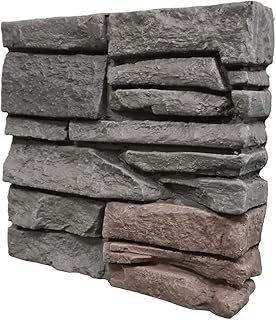
To add interest without overwhelming, mix textures and materials. For instance, pair smooth cabinetry with a textured stone countertop. This combination not only enhances the aesthetic but also keeps the atmosphere inviting and warm.
Color palette tips:
– Use color swatches to find harmonious shades that resonate with you.
– Incorporate natural elements like clay or wood for an organic touch.
– Add colorful accessories, like dish towels, to maintain a neutral base.
This balanced approach ensures your kitchen remains a peaceful retreat, fostering a welcoming atmosphere.
Image credit: Priyaara Finds | Amazon Kitchen & Home Finds on Pinterest
Neutral Color Palette
Editor’s Choice



3. Simple, Functional Layout

In a Japandi kitchen, the layout is designed for efficiency and ease of movement. A straightforward, open-plan design facilitates a smooth transition from cooking to dining, maximizing usability. Opt for U-shaped or L-shaped layouts to designate areas for cooking, prepping, and cleaning without creating barriers.
Clearly defined zones enhance functionality while allowing for a cohesive flow. Ensure that your essential tools and ingredients are easily accessible to maintain an organized and peaceful cooking environment.
Functional layout tips:
– Place frequently used items within arm’s reach to minimize clutter.
– Incorporate pull-out drawers for efficient storage solutions.
– Select simple dining furniture that complements the overall aesthetic.
A well-thought-out layout not only boosts usability but also contributes to a serene and inviting kitchen atmosphere.
Image credit: Cozy Nest Designs2 on Pinterest
Simple, Functional Layout
Editor’s Choice


4. Natural Light Emphasis

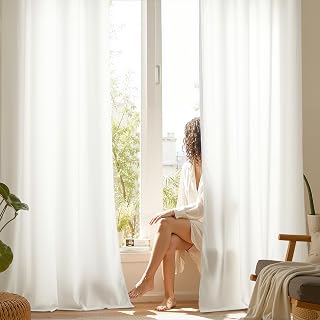
Natural light is a cornerstone of Japandi design, enhancing the kitchen’s serene ambiance. Large windows and open spaces invite sunlight, creating a warm and welcoming atmosphere. To optimize natural light, consider adding skylights or choosing light-filtering window treatments to maintain privacy without blocking the sun.
Sheer curtains allow light to cascade in, brightening your kitchen while keeping it cozy. Reflective surfaces, such as glass and light cabinetry, can further amplify this light, making the space feel even more expansive.
Natural light tips:
– Position your kitchen to capture sunlight throughout the day.
– Use light-colored cabinetry to reflect more light.
– Incorporate plants near windows for added greenery and air purification.
Emphasizing natural light creates an uplifting and spacious kitchen, perfect for enjoying the art of cooking.
Image credit: Luxury Home & Interior Design Ideas on Pinterest
Natural Light Emphasis
Editor’s Choice



5. Minimalistic Decor

Minimalism is essential to Japandi style, and your kitchen decor should embody this principle. Choose decor items that are both beautiful and functional, ensuring that every piece serves a purpose. Clear surfaces and a clutter-free environment foster a sense of calm and serenity.
Incorporate a few thoughtfully selected art pieces, like subtle line drawings or monochromatic prints, to add character without overwhelming the space. A simple vase with fresh herbs can also enhance the natural vibe of your kitchen.
Minimalistic decor tips:
– Limit decorative items to a few curated pieces that reflect your style.
– Use functional kitchen tools as decor, such as stylish canisters.
– Embrace negative space to let your chosen decor shine.
By keeping decor minimal yet intentional, your kitchen will radiate the tranquil essence of Japandi design.
Image credit: vibe__havi on Pinterest
6. Textured Materials

Texture is vital in Japandi kitchens, adding visual intrigue while maintaining a minimalist feel. By incorporating various textures, you can cultivate a warm and inviting atmosphere. Consider mixing smooth wood with rough stone or soft textiles to create a layered effect that enhances your kitchen’s design.
Using textured materials, such as stone countertops paired with wooden cabinets, adds depth to the space. Textiles like woven towels or natural fiber rugs can introduce warmth and comfort, making the kitchen feel truly inviting.
Texture tips:
– Combine diverse textures while keeping a cohesive color palette.
– Apply textured surfaces to focal points to draw interest.
– Choose easy-to-clean textiles suitable for kitchen use.
By thoughtfully selecting textures, your kitchen will embody both character and the calming spirit of Japandi style.
Image credit: Alexandra Hugon on Pinterest
You might also like

7. Indoor Plants

Introducing indoor plants into your Japandi kitchen infuses the space with life while enhancing the calming atmosphere. Plants not only improve air quality but also soften the hard surfaces typical of kitchen environments. Choose low-maintenance plants like succulents or herbs to thrive indoors, creating a small herb garden on your windowsill for both beauty and utility.
Utilizing textured pots in earthy tones can seamlessly integrate greenery into your design. Grouping plants together can create a cohesive look while still allowing for enough space to breathe.
Indoor plant tips:
– Opt for simple pot designs that align with your kitchen’s aesthetic.
– Arrange plants thoughtfully to avoid clutter while enhancing visual appeal.
– Use wall-mounted planters to save counter space without sacrificing greenery.
By incorporating plants, your kitchen will feel vibrant and connected to nature, enriching your culinary experience.
Image credit: Anastasia Zagrai on Pinterest
8. Open Shelving

Open shelving epitomizes Japandi design, striking a balance between practicality and style. This storage solution promotes accessibility while encouraging a clean and organized look. By displaying dishware, cookbooks, and beautiful kitchen tools, you can create an inviting aesthetic that reflects both function and form.
When designing your open shelves, curate a limited collection of dishware that harmonizes with your color palette. Layer and group items creatively to maintain visual interest without overcrowding the shelves.
Open shelving tips:
– Mix materials like wood and metal for added dimension.
– Use decorative boxes or baskets for neat storage while keeping items visible.
– Regularly tidy and curate shelves to prevent visual clutter.
With open shelving, your kitchen will exude an airy feel, showcasing favorite items in a way that enhances the Japandi aesthetic.
Image credit: Alexandra Hugon on Pinterest
9. Minimalist Appliances

Minimalist appliances play a crucial role in a Japandi kitchen, enhancing both functionality and aesthetics. Select appliances with clean lines and simple designs that harmonize with the natural materials in your space. Stainless steel and matte finishes often complement wood elements beautifully, creating a sleek and cohesive look.
Be mindful of appliance size and placement; built-in options can help maintain an uncluttered appearance, while smaller countertop devices can be stored away when not in use.
Appliance tips:
– Choose energy-efficient models that align with sustainable principles.
– Opt for appliances with intuitive controls that simplify your cooking experience.
– Invest in multi-functional appliances to save space and reduce clutter.
By selecting minimalist appliances, you can enhance both the usability and the serene aesthetic of your Japandi kitchen.
Image credit: Homely Haven Designs on Pinterest
Minimalist Appliances
Editor’s Choice


10. Artistic Touches

Artistic touches can enrich your Japandi kitchen while adhering to minimalist principles. Thoughtfully selected artwork and decor can enhance the overall aesthetic without overwhelming the space. Simple line drawings, monochromatic prints, or handcrafted pottery serve as lovely focal points that inspire creativity.
Create a small gallery wall or place a single art piece on a countertop to draw the eye while maintaining a serene atmosphere. These elements allow you to express your personality while keeping the kitchen calm and inviting.
Artistic touch tips:
– Choose art that resonates with your style and complements your color scheme.
– Limit artwork to a few pieces to avoid visual clutter.
– Use natural wood frames to maintain a clean, minimalist look.
Incorporating artistic elements ensures your kitchen reflects your personality while embracing the tranquil and minimalist essence of Japandi style.
Image credit: Priyaara Finds | Amazon Kitchen & Home Finds on Pinterest
You Might Also Like


11. Sustainable Features

Sustainability is at the heart of Japandi philosophy, and integrating eco-friendly features into your kitchen design enhances its tranquility and functionality. From reclaimed materials to energy-efficient appliances, sustainable choices contribute to a healthier home environment.
Consider using reclaimed wood for cabinetry or countertops, and opt for low-VOC paints to improve indoor air quality. Integrating composting features or energy-efficient lighting supports sustainable practices while enhancing your kitchen’s aesthetic.
Sustainable feature tips:
– Research materials that are environmentally friendly yet stylish.
– Invest in appliances with high energy ratings to decrease consumption.
– Install water-saving fixtures to optimize efficiency in your kitchen.
By embracing sustainability, your Japandi kitchen will not only be visually appealing but also reflect your values, creating a harmonious space for cooking and gathering.
Image credit: Autumn Watters on Pinterest
12. Incorporating Personal Touches

Finally, adding personal touches that reflect your style is essential in creating a homey Japandi kitchen. This customization allows you to maintain a minimalist approach while showcasing your personality. Select a few cherished items—like souvenirs from travels, family heirlooms, or favorite cookbooks—that resonate with you and enhance your kitchen’s serene environment.
Keep personal items to a minimum to let them stand out, ensuring they align with your kitchen’s color scheme and style. Occasionally rotate these pieces to keep the space feeling fresh and inviting.
Personal touch tips:
– Limit personal items to a few select pieces for maximum impact.
– Ensure personal touches complement the overall aesthetic.
– Regularly refresh decor to maintain interest.
Incorporating personal touches will give your kitchen warmth and character, making it a true reflection of your lifestyle while remaining a calm sanctuary.
Image credit: MovArt on Pinterest
Note: We aim to provide accurate product links, but some may occasionally expire or become unavailable. If this happens, please search directly on Amazon for the product or a suitable alternative.
This post contains Amazon affiliate links, meaning we may earn a small commission if you purchase through our links, at no extra cost to you.
Frequently Asked Questions
What exactly is a Japandi kitchen and how does it differ from other minimalist styles?
A Japandi kitchen blends Japanese simplicity with Scandinavian warmth to create a calm, functional space. It combines clean lines, natural materials, and restrained color, with clutter-free surfaces and thoughtful details.
To achieve it, start with a neutral base (white walls, light wood), choose quality natural materials like oak, bamboo, stone, and matte finishes, and keep hardware and appliances discreet. Add warmth with textures and minimal decor, but avoid busy patterns. Use smart storage to maintain calm surfaces. Light matters: opt for layered lighting (ambiance, task, accent). By balancing form and function, you get a calm, minimalist Japandi kitchen.
How can I create a calm, minimalist Japandi kitchen on a budget?
Begin with a simple palette of whites, warm beiges, and stone grays. Invest in a few quality essentials (cabinet fronts, durable countertop, faucet) and use budget-friendly materials for accents. Choose matte finishes and avoid glossy surfaces. Use open shelving with careful curation, and incorporate hidden storage like toe-kick drawers or tall pantry cabinets.
Add warmth with natural textures (linen, jute) and small décor pieces kept to a minimum. With thoughtful planning, you can achieve a minimalist calm designs look in a Japandi kitchen without breaking the bank.
Which colors and materials work best for a Japandi kitchen?
Go for a palette of soft whites, warm beiges, light grays, and natural wood tones. Materials like light oak or Ash cabinetry, stone countertops, ceramic tile backsplashes, and matte black hardware are ideal. Pair smooth surfaces with tactile textures—linen textiles, woven baskets, and ceramic accents—to add depth without clutter.
Keep surfaces uncluttered and let the materials speak for themselves to achieve a truly calm and cohesive Japandi kitchen look.
How can I maximize storage and keep the space uncluttered in a Japandi kitchen?
Prioritize hidden storage: full-extension drawers, pull-out organizers, built-in pantries, and toe-kick drawers to keep countertops clear.
Use vertical space with tall cabinets and cabinet-to-ceiling storage, and choose integrated appliances for a seamless, calm aesthetic. Reserve countertops for only daily essentials and tuck away small appliances in drawers. Finish with simple containers and a single, restrained decorative element to maintain calm designs in your Japandi kitchen.
What common mistakes should I avoid when designing a Japandi kitchen?
Avoid overloading the space with too many materials or colors; keep the palette restrained to preserve calm. Don’t use busy patterns or overly glossy surfaces that clash with the minimal aesthetic. Neglecting lighting is a rookie move—layered lighting (ambient, task, accent) is essential for mood and function. Don’t sacrifice storage or workflow for looks; ensure appliances are well placed and storage is practical. Finally, avoid clutter—regular decluttering is key to maintaining a true Japandi kitchen.
Related Topics
Japandi kitchen
minimalist design
calm interiors
Scandinavian style
Japanese aesthetics
small space solutions
modern decor
sustainable living
easy updates
home organization
functional design
trending styles



Leave a Reply