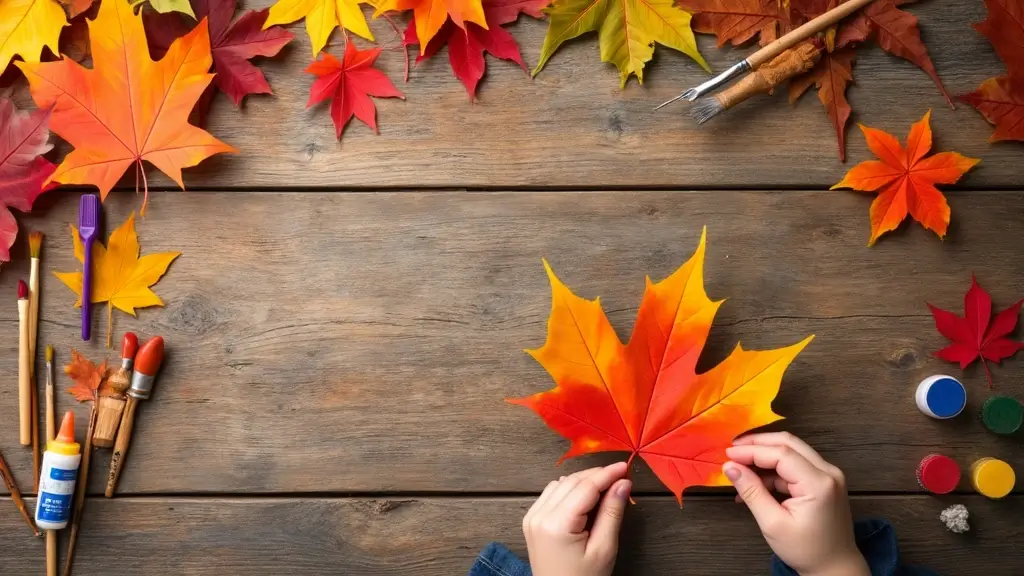
Leaves are talking this season. A simple leaf can spark real science, art, and careful observation. So I put together 10 Educational Leaf Projects for Kids That Make Learning a Blast. See #3 for a Surprise!
Why I made this post Watching kids explore outdoors, I see curiosity turn into hands-on learning fast. I want learning to happen with their own hands, not just in a workbook. These projects use common materials and quick setups. They mix science facts with creative play, so math, observation, and design show up naturally.
Who it’s for If you’re a parent, teacher, or caregiver who wants easy, budget-friendly activities that blend science and art, this is for you. The ideas work well for kids who love hands-on projects and nature. They fit a range of ages and can be scaled for a quick sprint or a longer project.
What you’ll get Ten projects with simple steps and common materials. Each idea has a learning goal, like noticing leaf color changes, tracing veins, or sorting leaves by size. You’ll get tips to adapt for younger kids or for kids who want a bigger challenge. Some options are quick; others take a little longer for a bigger result. And yes, #3 hides a tiny surprise that adds a playful twist.
How to use them Start with a quick leaf hunt outside, then set up a small station with paper, glue, crayons, and a tray for dried leaves. Let kids choose colors and leaf sizes to practice sorting and comparison. Keep a small notebook for notes like which leaf kept color longest or how many veins we can count. Each activity is designed to fit into a short session, with easy extensions for curious minds. You’ll notice the scratch of pencils, the glue scent, and the crunch of leaves under shoes as little hands explore.
Ready to try this? Grab leaves and kid-friendly supplies, set up at a table or on the porch, and get started with learning that feels natural and fun. If you test the ideas, tell me what your child loved most, what surprised you, and which project you want more of. I’d love to hear your photos and quick notes so others can see how leaves spark big ideas in little hands.
Contents
- 1. Leaf Rubbings
- 2. Nature Pressed Art
- 3. Leaf Alphabet Hunt (Surprise Activity!)
- 4. Leaf Science Experiments
- 5. Leaf Animal Masks
- 6. Leaf Collage Storytelling
- 7. Leaf Puzzles
- 8. Leaf Texture Exploration
- 9. Leaf Themed Games
- 10. Leaf Gratitude Journals
1. Leaf Rubbings

Want a simple, engaging activity that blends art and science? Leaf rubbings give kids a quick, hands-on way to see leaf patterns and the veins that run through each leaf. All you need are a few leaves, a sheet of paper, and a crayon or pencil.
1) Gather leaves of different shapes, sizes, and textures.
2) Place a leaf flat on the paper, vein side up.
3) Rub a crayon over the paper with gentle, even strokes, letting the leaf press the color onto the page.
4) Lift the leaf and study the print—the natural design appears clearly. Try another leaf for a new pattern.
Leaf rubbings build fine motor skills as kids grip the crayon and make steady moves. They also sharpen attention to details like edges, corners, and vein lines. Best of all, it fits most seasons and leaf collections.
Tips
– Use a mix of colors to create a bright, gallery-style collage.
– Have kids label each rubbing with the leaf’s name to add a mini botany lesson.
– Save prints in a simple scrapbook or install a rotating frame so favorites shine.
Seasonal idea: switch foliage with the season—maple and oak in fall, budding limbs in spring, evergreens in winter.
Unlock nature’s art with simple leaf rubbings! Kids will love exploring leaf patterns while blending creativity and science. Dive into educational leaf projects that make learning a blast!
1. Leaf Rubbings
Editor’s Choice

Jumbo Crayons (18 Colors) – Non-Toxic, Washable Crayons for Toddlers and…
 Amazon$7.99
Soucolor 9″ x 12″ Sketch Book, 1-Pack 100 Sheets Spiral Bound Art Sketch…
Amazon$9.49
American Tree Guide for Kids: childrens interactive nature book: tree an…
Amazon$11.492. Nature Pressed Art

Looking for a simple way to turn leaves into lasting art and spark curiosity about nature? This nature pressed art project blends creativity with a small lesson in preservation. You’ll see how a leaf dries and stays flat, and you’ll use that to build something colorful.
– Collect a mix of leaves: big and small, smooth and crinkled, from trees and shrubs you see every day.
– Press them: tuck them between sheets of a heavy book with a layer of paper in between, and press for about a week.
– Reveal and arrange: peel the leaves gently and place them on paper or a canvas. You’ll glue them so they stay flat and bright.
– Arrange by color or size to make a neat display on a wall or bulletin board.
– Add a splash of color with paint or a touch of glitter for a playful, mixed-media look.
– Talk with your kid about why leaves change color in fall and how that change shows in their art.
This project is not just pretty; it helps kids learn how nature works while they create. It’s easy, affordable, and flexible for different ages or classroom ideas.
Transform leaves into lasting art and ignite your child’s curiosity! With educational leaf projects like nature pressed art, creativity and learning go hand in hand. Don’t just collect—create memories!
2. Nature Pressed Art
Editor’s Choice

Extra Large Flower Press Kit | 11″x11″ 10 Layers Wooden Pressing Boards,…
Amazon$39.99
Acrylic Paint Set, 24 Colors (2 oz/Bottle) with 12 Art Brushes, Art Supp…
Amazon$14.99
Elmer’s Disappearing Purple School Glue Sticks, Washable, 7g, 30 Count -…
Amazon$5.603. Leaf Alphabet Hunt (Surprise Activity!)

You want a way to teach letters that feels like play. The Leaf Alphabet Hunt gives you that. It combines learning with outdoor exploration. Kids move, search, and think all at once.
How it works
– Create an A–Z checklist. For each letter, add a short clue and a leaf idea, like A for an apple-shaped leaf or B for a broad leaf.
– Go outside with a bag. Let kids hunt for leaves that resemble the letters on the list. If a leaf isn’t perfect, talk about why it fits the sound.
– Lay the leaves in order on a poster. Tape or glue them to form the alphabet.
– Practice phonics with the set. Have kids say the letter’s sound, then a simple word that starts with that sound.
Spice it up
– Add a nature journal. Kids draw each leaf or jot one sentence about where it was found.
– Offer small prizes for the most unique find or the neatest display.
– Talk about the trees and plants behind each leaf. Name the species and note where they grow. Link it to geography and botany.
This activity gets kids moving and builds early literacy. It’s a practical way to learn with nature.
Learning letters can feel like an adventure! With the Leaf Alphabet Hunt, kids not only discover sounds but also explore the great outdoors—making education a fun-filled journey!
3. Leaf Alphabet Hunt (Surprise Activity!)
Editor’s Choice


GINMIC Kids Explorer Kit & Bug Catching Kit, 16 Pcs Outdoor Exploration …
Amazon$22.794. Leaf Science Experiments

You want science that kids can touch and see. These leaf science experiments turn leaves into a classroom you can carry outside. You’ll link sunny days to how plants make food, how leaves are built, and how water moves inside a plant.
Gather simple tools: magnifying glasses, an observation chart, a few leaves, a clear jar of water, and a sunny window.
Experiment 1 — Sunlight, water, and bubbles
1. Gather 4–6 leaves and a clear jar of water.
2. Submerge the leaves and set the jar where bright light hits it.
3. Check daily; watch for tiny bubbles and color changes at the leaf edges.
4. After a few days, talk about photosynthesis and how light helps leaves make food.
Experiment 2 — Leaf anatomy with a magnifier
1. Look at a leaf under a magnifying glass.
2. Compare the top and bottom to spot stomata and veins.
3. Sketch what you see and label stomata, veins, and chlorophyll.
4. Talk about how stomata open to let air in and water out.
Keep an observation chart handy so kids record date, leaf size, color, and notes. Ask: which part of the leaf helps the plant live, and how does light affect it? If leaves are hard to find, use a potted plant you can watch daily.
These activities tie nature to science. They spark curiosity when kids notice real leaf tricks.
4. Leaf Science Experiments
Editor’s Choice

2 Pack 75mm 10X Handheld Magnifying Glass,Rubber Reading Magnifier for K…
Amazon$6.99
PUTSKA Behavior Reward Chart for Kids – Includes 26 Chore Charts & 1528 …
Amazon$9.99
Fun Express Clear Plastic See-Through Bug Jars – 3″ (Pack of 10) – Ideal…
Amazon$7.735. Leaf Animal Masks

Want a fun, hands-on activity that blends science, art, and pretend play? Leaf animal masks let kids explore nature while making creative costumes.
Materials
– Construction paper for the mask base
– A variety of leaves, plus small twigs or seeds for texture
– Washable glue and safety scissors (adult supervision advised)
– Markers or colored pencils
– Elastic or a long string to wear the mask
Steps
– Choose a simple animal and pick leaves that match its fur or features.
– Cut a mask shape from construction paper and punch eye holes.
– Glue leaves in layers to form a mane, wings, or cheeks. Use different sizes for depth.
– Add details with markers, then press gently to seal the foliage.
– Attach elastic, let dry, and try on your leafy portrait.
Why it helps
This project builds fine motor skills as kids handle leaves and glue. It teaches about textures, colors, and animal traits. It also sparks talk about habitats and what animals need to live in the wild.
Fun ideas
– Host a mini fashion show where kids wear their masks and act as their animals.
– Create a nature-inspired play with leaf characters.
– Explore animal symbolism in different cultures and compare meanings.
These leafy masks turn quiet time into lively discovery you can see and hear.
5. Leaf Animal Masks
Editor’s Choice

Crayola Construction Paper – 480ct (2pck), Bulk Teacher Supplies, Back t…
Amazon$17.99
Elmer’s Liquid School Glue, Slime & Craft, Safe and Non-Toxic, Washable,…
Amazon$6.60
Westcott 5″ Hard Handle Kids Scissors, Blunt, Assorted Colors, 2-Pack
Amazon$1.19You might also like


6. Leaf Collage Storytelling

You want an activity that’s easy, keeps kids moving, and builds both art and language. Leaf collage storytelling gives you that. Your child picks leaves, arranges them, and creates a story from what they see. You’ll get a fun project with real payoff: new vocabulary, stronger storytelling, and busy hands.
What you’ll need
– Large sheet of paper or poster board
– A mix of leaves in different shapes and colors
– Non-toxic glue or glue sticks
– Markers, crayons, or pencils
– Optional extras: fabric scraps, buttons, or glitter for texture
How to do it
1) Go on a leaf hunt and pick about 10–20 leaves.
2) Arrange the leaves on the paper to form a scene or characters.
3) Glue the leaves in place, building texture by overlapping pieces.
4) Write a short story or tell one aloud inspired by what you created.
Tips to boost creativity
– Use themed prompts like “A Day in the Life of a Leaf” or “Leafy the Explorer.”
– Encourage vivid words. Ask your kid to describe color, shape, and feel.
– Have them share the story with a friend or family member and ask for one compliment and one idea for improvement.
– Add variety with safe textures such as fabric scraps or a light watercolor wash on the background.
Learning outcomes
Leaf activities connect science with language. They help kids practice story order and description. They also build fine motor skills as little hands place and glue pieces.
Common questions
– How long will this take? Most kids finish in 20–40 minutes, or you can split it into two short sessions.
– How do I keep leaves from curling? Press leaves first, use a light amount of glue, and keep the paper flat while it dries.
– How can I save the project? Take a photo of the collage or mount it in a frame and store it flat.
6. Leaf Collage Storytelling
Editor’s Choice

Elmer’s Disappearing Purple School Glue Sticks, Washable, 6 Grams, 12 Co…
Amazon$4.39
School Smart Railroad Poster Board Paper, 22 x 28 Inches, 6-Ply, White, …
Amazon$19.35
Crayola Classic Bundle: 3 Items – Crayons (24 Count), Broad Line Markers…
Amazon$8.907. Leaf Puzzles

Want a hands-on way to boost thinking skills while you explore nature? Leaf puzzles turn simple leaves into smart, lively play. You’ll see kids notice shapes, patterns, and colors while they use their hands and eyes together.
What you’ll need
– Leaves of different shapes and colors.
– Thick cardboard or mat board for the puzzle base.
– Non-toxic glue to attach leaves.
– Scissors (safety note: an adult helps with cutting).
– Optional tape to seal edges after assembly.
Steps to make your leaf puzzle
1) Pick favorite leaves and let them dry a bit so they stick well.
2) Glue the leaves onto the cardboard in a fun, eye-catching layout.
3) Wait for the glue to dry completely.
4) Cut the cardboard into puzzle pieces. Vary the sizes to create easy and tougher challenges.
5) Mix the pieces and try to reassemble. As you work, talk about leaf shapes, margins, colors, and the patterns you notice.
Ways to use leaf puzzles
– Challenge friends to solve the puzzle and sharpen problem-solving skills.
– Create seasonal designs, like fall colors or spring greens, to tie in nature themes.
– Compare leaves as you play—feel textures, look at venation, and notice edge shapes.
Tips and tweaks
– Laminate the finished puzzles to make them durable for everyday use.
– Glue two layers for a thicker, more sturdy puzzle.
– Keep a small set handy for quick, on-the-go learning moments.
This activity boosts critical thinking and builds a strong, playful bond with the natural world.
7. Leaf Puzzles
Editor’s Choice

All Purpose Glue, Bonds Most Anything! Non-Toxic Glue, Use as Wood Glue …
Amazon$8.99
LIVINGO 5″ Small School Student Blunt Kids Craft Scissors, Sharp Stainle…
Amazon$9.99
Amazon Basics Clear Thermal Laminating Plastic Paper Laminator Sheets, 3…
Amazon$11.998. Leaf Texture Exploration

If your goal is hands-on learning with leaves, this leaf texture exploration makes science feel real. Kids touch, compare, and notice why leaves feel the way they do.
What you’ll need
– A mix of leaves from different trees and seasons
– Texture tools: cloth scraps, smooth paper, sandpaper, foil, and wax paper
– A small tray or mat for a clean workspace
How to do it
1) Lay out the leaves and texture tools so everything is easy to reach.
2) Let kids press and slide their fingers over each surface. Ask them to name what they feel—crunchy, smooth, rough, silky.
3) Have them build a simple texture chart: draw a swatch and label how it feels.
4) Talk about why textures differ. Point out waxy coatings, fuzzy hairs, and the bumpy veins that help leaves keep water in or shed heat.
5) Tie it to plant life: textures show how a leaf protects itself and helps the plant survive.
What kids gain
– Clear links between touch, observation, and science
– A growing vocabulary for leaf surfaces
– Curiosity about how nature uses texture in daily life
Tips to boost learning
– Add a quick discussion after each leaf: which part of the leaf creates its feel?
– Compare live leaves on trees with fallen ones on the ground
– Keep a running page of new words in a simple field notebook
Exploring leaf textures isn’t just fun—it’s a hands-on science journey! Let kids feel, compare, and discover why leaves have their unique textures. Learning is always better when it’s a little messy!
8. Leaf Texture Exploration
Editor’s Choice
PROLOSO Nature Exploration Kit Outdoor Games Party Favors Toys for Kids …
Amazon$16.95
Tamaki 6 Pack Colorful Blank Books for kids to Write, Drawing, Cute Sket…
Amazon$6.99
Viva Decor Fine Texture Paste White 42.33 oz – Acrylic Modeling Medium w…
Amazon$22.94You Might Also Like


9. Leaf Themed Games

Want learning that feels like play and fits outdoor time? Leaf games mix discovery with movement. You’ll see kids connect what they learn with the world around them.
Two easy games work for most ages and spaces.
– Leaf Bingo. You can set up 5×5 bingo cards with leaf names or simple pictures. Gather a stack of real leaves. You call out a leaf or show it, and players mark the matching square. The first player to complete a row shouts BINGO. You check the card and talk about leaf features—shape, edge, color—after each round. Shuffle new cards so everyone gets a fresh challenge. This helps review skills from earlier projects.
– Leaf Toss Challenge. Line up hoops or colorful bins at different distances. Give each kid a small pile of leaves and a scorecard. They toss leaves to score points, moving from easy targets to harder ones. Older kids can add rules like “only use leaves from a certain tree.” Rotate players to keep the game moving. This builds hand-eye coordination and balance while teaching about weight and distance.
Smart variations: – Add leaf trivia between rounds to boost memory. – Turn it into a family event with parents joining in. – Tie the games to skills from earlier projects, like classification and measurement.
Outdoors is great for focus and memory. If rain comes or space is tight, switch to a simple indoor setup with laminated cards and a compact tossing course.
9. Leaf Themed Games
Editor’s Choice
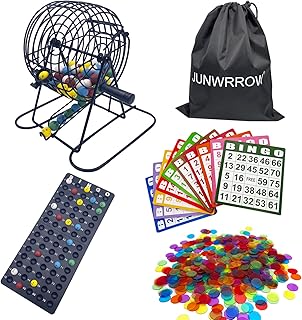
Deluxe Bingo Set- Includes 1000 Colorful Chips with a Bag,100 Mixed Card…
Amazon$29.99
GoSports Ladder Toss Indoor & Outdoor Game Set with 6 Soft Rubber Bolo B…
Amazon$34.49
Skillmatics Thick Flash Cards for Toddlers – Letters, Numbers, Shapes & …
Amazon$14.2110. Leaf Gratitude Journals

If you want a simple, kid-friendly way to boost writing and help your child notice nature, try leaf gratitude journals.
Your child collects leaves, presses them, and writes what they are thankful for each week, tying thanks to nature.
This practice strengthens writing habits, sharpens observation, and builds a calm routine of noticing the small wonders outside.
What you’ll need
– A sturdy notebook or sketchbook that lays flat.
– A simple leaf press method, like placing leaves between pages with a heavy book on top.
– A pencil or colored pencils for writing and drawing.
– Glue, tape, and scissors for attaching leaves or photos.
How to do it
– During the week, collect leaves in your yard, park, or a nature trail.
– Press leaves for 3–5 days until they feel dry and flat.
– Each week, open the journal and write a short note about the leaf and a nature moment you’re thankful for.
– Add a quick drawing or a photo of your favorite outdoor spot.
– Share the page with a family member to practice talking about nature.
Tips to keep it exciting
– Use prompts like “What colors do you see?” or “What sounds do you hear?” to spark ideas.
– Decorate the cover with leaf rubbings and simple stamps.
– Create a small pocket inside the journal for extra leaves.
What you gain
– A living record of growth and gratitude.
– Kids learn to observe, write clearly, and connect feelings with nature.
10. Leaf Gratitude Journals
Editor’s Choice

UCreate Poly Cover Sketch Book, Heavyweight, 9″ x 12″, Black, 75 Sheets
Amazon$9.29
Professional Flower Press Kit 6 Layers 6.3 x 8.3 inch, Flower Pressing K…
Amazon$18.89
Crayola Colored Pencils (36ct), Kids Pencil Set, Back to School Essentia…
Amazon$4.94Conclusion

Leaf projects are a fantastic way to blend education with creativity, ensuring that learning is always a fun adventure!
These activities not only foster curiosity about nature but also enhance various skills through hands-on engagement. So gather those leaves and start crafting unforgettable memories with your kids today! Each project offers something unique, ensuring that every learning experience is a blast.
Note: We aim to provide accurate product links, but some may occasionally expire or become unavailable. If this happens, please search directly on Amazon for the product or a suitable alternative.
This post contains Amazon affiliate links, meaning I may earn a small commission if you purchase through my links, at no extra cost to you.
Frequently Asked Questions
What Are Some Easy Materials Needed for Educational Leaf Projects?
You’ll be pleasantly surprised at how minimal the materials are! Most educational leaf projects require items you likely already have at home, such as construction paper, crayons, and scissors. For projects like leaf rubbings and pressed art, all you need are fresh leaves and some paper. These simple materials make it easy for kids to dive in and start learning through creativity!
How Do Leaf Projects Enhance Learning for Kids?
Leaf projects are fantastic because they combine hands-on learning with creativity! Through activities like leaf rubbings and science experiments, kids get to observe nature up close. This kind of exploration not only fosters a love for the outdoors but also helps develop skills like critical thinking and fine motor skills. It’s a fun way to learn about science, art, and language all at once!
Are Educational Leaf Projects Suitable for All Age Groups?
Absolutely! Educational leaf projects can be adapted for various age groups. Younger kids might enjoy simple activities like leaf collages and texture exploration, while older children can tackle more complex science experiments and storytelling. The beauty of these projects is that they spark curiosity in kids of all ages, making learning an exciting adventure for everyone!
Can Leaf Projects Be Done Indoors or Only Outdoors?
While many educational leaf projects encourage outdoor exploration, several can be easily adapted for indoor fun! For instance, you can do leaf rubbings, create collages, or even write in leaf gratitude journals right at your kitchen table. Just grab some leaves, and you’re ready to make learning a blast, no matter the setting!
How Can I Incorporate Leaf Projects into My Child’s Learning Routine?
Incorporating leaf projects into your child’s learning routine is a breeze! Try setting aside a specific day each week for a new leaf activity, or you can integrate them into existing lessons like science and art. For example, after a nature walk, use the collected leaves for a fun project. This way, you’re blending education with nature exploration, making learning engaging and enjoyable!
Related Topics
educational leaf projects
hands-on learning
kids crafts
nature activities
leaf art
outdoor exploration
science experiments
creative storytelling
easy projects
seasonal crafts
fun learning
leaf games





Leave a Reply