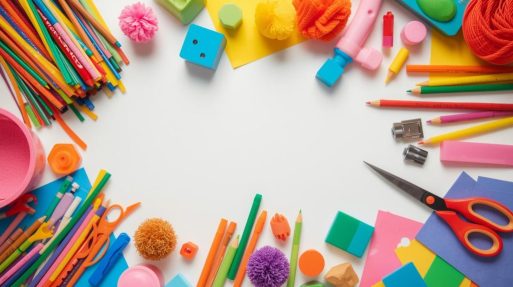
Are you looking for creative ways to keep your kids engaged while helping them develop important skills? You’re not alone! In today’s fast-paced world, finding activities that are both fun and educational can be a challenge. That’s why I put together this list of 15 Fun Fine Motor Skills Crafts that will not only captivate your little ones but also support their development in a playful way.
If you’re a parent, teacher, or caregiver who cares about fostering creativity and motor skills in children, this post is for you. You might find yourself juggling work, household chores, and the endless quest for entertaining activities. With these crafts, you can finally breathe a sigh of relief knowing that your kids will be happily crafting while improving their fine motor skills.
In this list, you’ll discover a variety of engaging craft projects that are perfect for kids of all ages. From colorful bead stringing to imaginative paper plate animals, each activity is designed to enhance those tiny hand movements that are crucial for everyday tasks. Not only will your kids have hours of fun, but you’ll also see their confidence grow as they create and express themselves. So, gather your supplies and get ready for some crafting adventures that will keep those little hands busy and happy!
Let’s dive into the world of fine motor skills crafts that promise creativity, laughter, and learning!
Key Takeaways
– Fine motor skills are essential for kids’ daily activities, and these crafts can help strengthen them.
– Each of the 15 crafts offers unique benefits, such as enhancing coordination and creativity.
– Projects like bead stringing and DIY sensory bottles require minimal supplies, making them easy to set up.
– Many crafts can be adapted for different age groups, ensuring everyone can join in on the fun.
– Engaging in these activities can foster a sense of achievement in children, boosting their confidence.
Contents
- 1. Bead Stringing Extravaganza
- 2. DIY Play Dough Fun
- 3. Paper Plate Animals
- 4. Nature Collage Creations
- 5. Q-tip Painting
- 6. Pom-Pom Sorting
- 7. Finger Painting Fun
- 8. Pipe Cleaner Sculptures
- 9. DIY Sensory Bottles
- 10. Clothespin Art
- 11. Sensory Sand Art
- 12. Tissue Paper Flowers
- 13. Color Matching Game
- 14. Felt Board Creations
- 15. Cardboard Box Creations
1. Bead Stringing Extravaganza

Bead stringing is a classic craft that’s perfect for enhancing fine motor skills.
Using a variety of colorful beads and string, kids can create beautiful jewelry or fun keychains. This activity involves gripping, threading, and balancing the beads, helping to develop their hand-eye coordination and dexterity.
To set it up, gather different types of beads—wooden, plastic, or even edible pasta—along with yarn or string. Measure out lengths of string, and allow your child to choose their favorite colors. Encourage them to create patterns or simply mix and match as they please.
Use larger beads for younger children and progress to smaller ones as they gain confidence. Supervise to ensure they don’t swallow any small pieces, and make it a bonding session by creating matching pieces together!
Bead Stringing Extravaganza
Editor’s Choice

Xmada Beading Funnel – Bead Making Kit with 2 PCS Tools, Needles for Jew…
 Amazon$12.98
LIHAO 12 Skeins Mini Yarn for Knitting Crochet Craft – 100% Acrylic
Amazon$6.99
LOVESTOWN Kids Safety Scissors, 4 PCS Blunt Tip Scissor Preschool Traini…
Amazon$4.762. DIY Play Dough Fun

There’s nothing quite as engaging as squishy play dough!
This craft not only fuels creativity but also strengthens hand muscles and fine motor control. Children can roll, flatten, and shape dough into virtually anything their imagination conjures up—from animals to pizza slices!
You can make your own play dough at home with just flour, salt, water, and food coloring. Please note, add a bit of cream of tartar for a smoother texture. Once you have your dough ready, set out some tools like cookie cutters, plastic utensils, and rolling pins.
Incorporate scents or add texture using herbs or sand to stimulate the senses. This could be a great sensory experience for younger kids as well. Plus, playing with dough is a great way to strengthen those tiny fingers just before they tackle writing!
DIY Play Dough Fun
Editor’s Choice

Play-Doh Pizza Delivery Scooter Playset, Large Ride-On Play Food Prescho…
Amazon$47.39
Metal Cookie Cutters Set 12 Pieces, Stainless Steel 3 Heart Cookie Cutte…
Amazon$4.99
Mini Silicone Rolling Pin for Kids, Non-stick Surface Wood Handle, 9 Inc…
Amazon$7.993. Paper Plate Animals

Let’s turn those paper plates into wild animals!
This craft is simple yet allows for endless creativity, making it a fantastic way to refine fine motor skills. Kids will practice cutting, gluing, and decorating as they bring their favorite animals to life. Collect some plates, scissors, and crafty supplies like googly eyes, feathers, and markers.
Start by cutting the plates to create different animal shapes. For example, cut out ears for cats or add wings for birds. Then, let your kids glue on the decorations, enhancing their design with markers.
Suggestions: Make a zoo or a safari scene with these animals and encourage storytelling to enhance language skills. This craft is not only engaging but also a great way to learn about various animals!
Paper Plate Animals
Editor’s Choice
LOVESTOWN Kids Safety Scissors, 4 PCS Blunt Tip Scissor Preschool Traini…
Amazon$4.76
520 Pcs Wiggle Googly Eyes with Self-Adhesive, 6mm 8mm 10 mm 12mm 15mm M…
Amazon$5.29
300pcs Colorful Feathers 2-3 Inches Bulk Feathers for Crafting, Dream Ca…
Amazon$5.994. Nature Collage Creations

Get outside and gather items for a unique nature collage!
This craft combines fine motor skills with a touch of adventure. Kids can pick leaves, flowers, twigs, and other natural items to create their own masterpiece. As they collect materials, they’ll practice their grip and hand strength too!
Once you have a collection, lay out a piece of cardboard or thick paper to serve as a base. Using glue, let the kids arrange their findings to create a colorful collage. Encourage them to explore textures and colors, discussing each item as they go.
Use a magnifying glass to examine different textures and details of items before incorporating them. This can enhance their observational skills while having fun outdoors!
Nature Collage Creations
Editor’s Choice

Mr. Pen Craft Scissors – Decorative Edge, 6 Pack, Zig Zag, Scrapbooking,…
Amazon$6.85
24 Pcs Kids Explorer Kit & Bug Catcher Kit for Kids, Outdoor Toys Advent…
Amazon$15.19
Elmer’s Disappearing Purple School Glue Sticks, Washable, 7 Grams, 30 Co…
Amazon$5.395. Q-tip Painting

Swap out brushes for Q-tips in this innovative painting activity!
Using Q-tips helps kids to grip and maneuver small items, enhancing their fine motor skills while getting creative. Set up a palette of colors on a plate, and let your little ones dip the Q-tips into paint and dab them onto paper.
Invite them to create patterns, dots, or even a masterpiece. The small movements needed for this activity significantly boost their hand control and coordination.
Suggestions: Use card stock or canvas for a more durable art piece. Also, reinforce their learning by asking them about the colors they are using and the patterns they are creating!
Q-tip Painting
Editor’s Choice

Cotton Swabs for Personal Hygiene and Baby Care, 500 Count, 1 Pack
Amazon$2.78
Shuttle Art Acrylic Paint Set, 30 x12ml Tubes Artist Quality Non Toxic R…
Amazon$9.99
Horizon Group USA 8×10 Painting Panel Canvas Boards, Pack of 12, Multicolor
Amazon$9.396. Pom-Pom Sorting

Pom-poms are not only fun to play with, but they also make for a fantastic sorting activity!
Gather different sizes and colors of pom-poms along with a muffin tin or small bowls. Invite your child to sort the pom-poms by color or size, using their fingers to pick them up and place them in the correct spots. This simple task helps refine their pincer grasp and hand coordination.
To add more fun, you could introduce tweezers or chopsticks for older kids to use while sorting. This encourages them to work on their grip while making it a playful challenge!
Turn it into a game by timing them or adding storytelling elements about each color. This also enhances their cognitive skills while they enjoy the activity.
Pom-Pom Sorting
Editor’s Choice

900 PCS Pom Poms, Multicolor Bulk Pom Poms Arts and Crafts, Soft and Flu…
Amazon$6.64
Amazon Basics Nonstick Round Muffin Baking Pan, 12 Cups, Set of 2, Gray,…
Amazon$14.97
Plastic Tweezers, 5Pcs Plastic Tweezer for Kids,Craft Tweezer for DIY Cr…
Amazon$3.987. Finger Painting Fun

Finger painting is a timeless classic that allows kids to explore their creativity while enhancing their fine motor skills.
Children can use their fingers to create textures and patterns in paint, which improves their dexterity and hand-eye coordination. Set up a large sheet of paper and some non-toxic paints, and let the mess begin!
Encourage them to use their hands to mix colors, make shapes, or simply express their feelings through art. The sensory experience of the paint will engage them on multiple levels.
Protect the workspace with old newspapers or a plastic sheet. Don’t worry about mess—embrace it! Allow them to get lost in the creative process without worrying about the outcome.
Finger Painting Fun
Editor’s Choice

JOYIN 12PCS Washable Kids Tempera Paint Set (2 oz Each), 6 Brushes, 2 Pa…
Amazon$13.98
Made in USA White Kraft Paper Wide Jumbo Roll 48″ x 1200″ (100ft) Ideal …
Amazon$35.97
Elaine Karen Clear Plastic Table Cover Protector 100% Waterproof Table P…
Amazon$8.54You might also like

18 Play-Dough Activities to Boost Your Child's Fine Motor Skills (They'll Thank You for #11!) – DIY & Beyond

15 Fun Kids Pillow Craft Ideas That'll Keep Them Busy for Hours (They’ll Love #4!) – DIY & Beyond
8. Pipe Cleaner Sculptures

Pipe cleaners are such a versatile material for crafting!
They allow kids to bend, twist, and shape into virtually anything they can imagine, making it a fantastic tool for fine motor development. Gather a variety of pipe cleaners in different colors and let your kids get creative!
They can create animals, flowers, or maybe even a whole pipe cleaner city. As they work, they’ll practice their gripping and twisting motions, enhancing their dexterity.
Suggestions: Encourage them to combine pipe cleaners with other materials such as beads or cardboard for added flair. This mixed-media approach can spark even more creativity and keep children engaged longer.
Pipe Cleaner Sculptures
Editor’s Choice

300 PCS Pipe Cleaners, Multi-Color Chenille Stems, Pipe Cleaners Craft, …
Amazon$4.95
LIS HEGENSA Pony Beads Bulk,Kandi Beads for Necklace Jewelry Making Hair…
Amazon$6.99
10 EcoSwift 8.5×11 Chipboard Cardboard Craft Scrapbook Material Scrapboo…
Amazon$4.999. DIY Sensory Bottles

Sensory bottles can mesmerize kids while improving their fine motor skills.
These bottles are simple to make and provide a calming activity for children to explore textures and movements. To start, gather empty plastic bottles and fill them with a mix of small items such as glitter, water beads, rice, or beads, along with clear glue or water.
Seal the bottles tightly and let your children shake or flip them to watch the contents move. This not only helps with fine motor skills as they manipulate the bottles, but it also offers a sensory experience that’s soothing and engaging.
Use different colors or sounds for the contents to enhance their curiosity. You can even create themed bottles such as ocean or galaxy themes!
Fun Fact: Sensory bottle play can boost fine motor skills by up to 25% in just two weeks. Tiny actions—twisting lids, pinching beads, and shaking—build finger strength and coordination. Keep bottles bright and easy to seal for steady, calming practice.
DIY Sensory Bottles
Editor’s Choice

ljdeals 16 oz Clear Plastic Empty Bottles with Black Disc Top Caps, Sque…
Amazon$7.99
Assorted Glass Beads for Jewelry Making, DIY Lamp Work, Arts and Crafts,…
Amazon$8.48
FALAMON 140,000 Clear Water Gel Beads, Water Gel Beads for Vase Filler, …
Amazon$8.9910. Clothespin Art

Clothespins can be transformed into creative art tools!
In this craft, kids can use clothespins to grip and hold pieces of paper, fabric, or other materials while creating their art. This activity helps improve their grip strength and coordination. Provide colorful clothespins and various materials like construction paper, fabric scraps, or even leaves.
Encourage children to create collages or pin pictures onto a string or board. They can also paint or decorate the clothespins for extra fun.
Integrate storytelling by having them create characters or scenes with their pinned creations. This not only makes it fun but also enhances their narrative skills!
Fun fact: 5 minutes of clothespin art can boost a child’s fine motor skills and grip strength by noticeable amounts in just a week. This simple activity turns everyday materials into hands-on learning that kids actually enjoy.
Clothespin Art
Editor’s Choice

Colorful Plastic Clothespins, Heavy Duty Laundry Clothes Pins Clips with…
Amazon$6.39
Crayola Construction Paper Bulk Pack (480 Sheets) – 10 Assorted Colors, …
Amazon$12.24
150Pcs 4″ x 4″ (10cm x 10cm) Cotton Craft Fabric Bundle Squares,Squares …
Amazon$9.9911. Sensory Sand Art

Introduce kids to the tactile world of sand with this sensory sand art project.
Using colored sand, children can explore their creativity while improving their fine motor skills through pouring, spreading, and placing sand with their fingers. To set up, gather colored sand and a few containers for the kids to use. They can create designs on paper or even use glue to make sand art on various surfaces.
As they work, they’ll refine their hand movements and coordination.
Suggestions: Create a themed art piece, such as an ocean scene, using blues and greens. This adds an educational aspect to the sensory experience and allows for storytelling!
Sensory Sand Art
Editor’s Choice

Panxxsen 24PCS Colored Art Sand Kit, 1.25oz Bottles DIY Craft Set for Ad…
Amazon$9.99
Elmer’s bundle Washable Liquid School Glue, White, Dries Clear, 4 fl oz …
Amazon$7.99
Ddaowanx 9″ x 12″ Sketch Book, 100 Sheets Spiral Bound Art Sketchbook wi…
Amazon$9.9912. Tissue Paper Flowers

Making tissue paper flowers can be a delicate yet rewarding craft.
This craft helps kids practice their fine motor skills through cutting, crumpling, and assembling. Start with colorful sheets of tissue paper and show kids how to stack, cut, and crumple them into flower shapes. They can then use pipe cleaners or straws as stems to complete their beautiful creations.
This hands-on activity encourages creativity and provides an excellent opportunity to discuss colors and shapes as they work.
Set up a flower-making station with various colors to inspire kids. Display their finished flowers in a vase to showcase their hard work!
Tissue Paper Flowers
Editor’s Choice

130 Sheets 20″x14″ White Tissue Paper for Gift Bags Christmas Weddings B…
Amazon$6.99
Pipe Cleaners Craft Bulk,Kids Toys & Games Gifts,200pcs Arts Crafts,Chen…
Amazon$5.68
LOVESTOWN Kids Safety Scissors, 4 PCS Blunt Tip Scissor Preschool Traini…
Amazon$4.76You Might Also Like

10 Easy Kids Christmas Crafts That Turn Your Living Room Into a Cozy Holiday Hub – DIY & Beyond

12 Fun Crafts for Toddlers That Are Mess-Free and Super Easy (You’ll Wish You Knew Sooner!) – DIY & Beyond
13. Color Matching Game

This fun and simple color matching game is an excellent way to enhance fine motor skills while learning colors.
Create or purchase colored cards and provide small items like pom-poms or buttons in corresponding colors. The task is to match the items with the right color card, which requires picking them up with precision.
This activity strengthens their ability to differentiate colors while enhancing their dexterity.
Suggestions: Turn it into a timed game for older kids or add a storytelling aspect by making up a story involving each color. This keeps the game exciting and educational!
Color Matching Game
Editor’s Choice

TOAOB 1900pcs Approximately 1cm Assorted Pom Poms Multi Color Fuzzy Smal…
Amazon$8.72
300 Sheets 8.5″ X 11″ Colored Cardstock, 50 Assorted Colors Construction…
Amazon$23.78
About 330 Resin Buttons of Various Specifications, Handmade, Sewing DIY …
Amazon$6.4914. Felt Board Creations

Felt boards are a versatile tool for crafting and learning!
Provide your kids with a felt board and a collection of felt shapes in various colors and designs. The simple act of peeling off and sticking these shapes on the board promotes fine motor skills as they develop their grip and hand-eye coordination.
Kids can create scenes, stories, or even characters using the felt pieces, enhancing their creative thinking and storytelling skills.
Encourage them to create a seasonal or themed board, such as a garden in spring or a winter wonderland. This provides a narrative element to their crafting!
Did you know? Regular felt board play can boost fine motor skills in just 10 minutes a day—peeling, placing, and sorting shapes strengthens grip and hand-eye coordination. Let kids create seasonal scenes to spark creativity and storytelling.
Felt Board Creations
Editor’s Choice

Dr.Rapeti Farm Animals Felt Story Board Set 41PCS Preschool Farmhouse Ba…
Amazon$14.21
Colorations Felt Embellishment Shapes & Colors, Set of 500, Assorted for…
Amazon$11.99
15. Cardboard Box Creations

Transforming cardboard boxes into imaginative creations can be one of the most rewarding crafts!
This activity helps children practice cutting, gluing, and assembling, all while sparking their creativity. Gather some old boxes and art supplies, and let your kids design anything from a spaceship to a dollhouse.
As they work, they’ll refine their fine motor skills through manipulation of tools and materials.
Suggestions: Incorporate themes such as ‘the future’ or ‘the wild west’ to add an educational layer. This encourages them to think critically about their creations while having tons of fun!
Cardboard Box Creations
Editor’s Choice
LOVESTOWN Kids Safety Scissors, 4 PCS Blunt Tip Scissor Preschool Traini…
Amazon$4.76
Elmer’s Disappearing Purple School Glue Sticks, Washable, 7 Grams, 30 Co…
Amazon$5.39
Crayola Inspiration Art Case Space Coloring Set (140pcs), Art Kit for Ki…
Amazon$26.99Conclusion

Crafting is not just about creating; it’s a fantastic way for kids to develop their fine motor skills while having a blast!
Each of these activities can lead to hours of engagement and enjoyment for your little ones. Encourage them to explore, create, and share their masterpieces with you. Who knows, they might discover a new passion along the way!
Note: We aim to provide accurate product links, but some may occasionally expire or become unavailable. If this happens, please search directly on Amazon for the product or a suitable alternative.
This post contains Amazon affiliate links, meaning we may earn a small commission if you purchase through our links, at no extra cost to you.
Frequently Asked Questions
What Are Fine Motor Skills and Why Are They Important for Kids?
Fine motor skills refer to the small movements that involve the coordination of hands and fingers, such as grasping, pinching, and manipulating objects. These skills are crucial for children’s development as they play a key role in daily tasks like writing, drawing, and self-care activities.
By engaging in crafts that enhance fine motor skills, kids not only improve their dexterity but also build confidence and creativity through hands-on experiences!
What Types of Materials Are Best for Fine Motor Skills Crafts?
When it comes to fine motor skills crafts, the possibilities are endless! Opt for materials that are safe and easy to handle, such as crayons, scissors, glue, beads, and yarn. These items encourage kids to practice their skills in a fun and engaging way.
Look for items that vary in texture and size, as they provide different challenges and keep your little ones intrigued and motivated to create!
How Can I Make Fine Motor Skills Crafts More Engaging for My Kids?
Making fine motor skills crafts engaging is all about adding a sprinkle of fun! You can incorporate themes based on your child’s interests, like superheroes or animals, to capture their attention. Additionally, introduce colorful supplies and allow them to express their creativity freely.
Encourage storytelling during the crafting process, turning each project into a little adventure that sparks their imagination!
Are There Any Safety Tips to Consider When Doing Crafts with Kids?
Absolutely! Safety is a top priority when it comes to crafting with kids. Always supervise younger children, especially when using tools like scissors or small parts that pose a choking hazard. Choose non-toxic materials and ensure that your workspace is tidy to prevent accidents.
It’s also a good idea to set clear guidelines about the use of tools and materials, so your kids can enjoy crafting in a safe environment!
How Often Should Kids Engage in Fine Motor Skills Crafts?
Engaging in fine motor skills crafts should be a regular part of your child’s routine! Aim for at least a few times a week, allowing them to explore different projects and techniques. Consistent practice helps reinforce their skills and keeps them challenged.
Mix it up with various crafts to maintain their interest and make learning feel like an adventure rather than a chore!
Related Topics
fine motor skills
kids crafts
craft projects
easy crafts
engaging activities
DIY for kids
educational play
hands-on learning
toddler activities
creative play
fun crafts
parenting tips




Leave a Reply